Garden tips
How to create a sustainable urban garden
· 6 min read
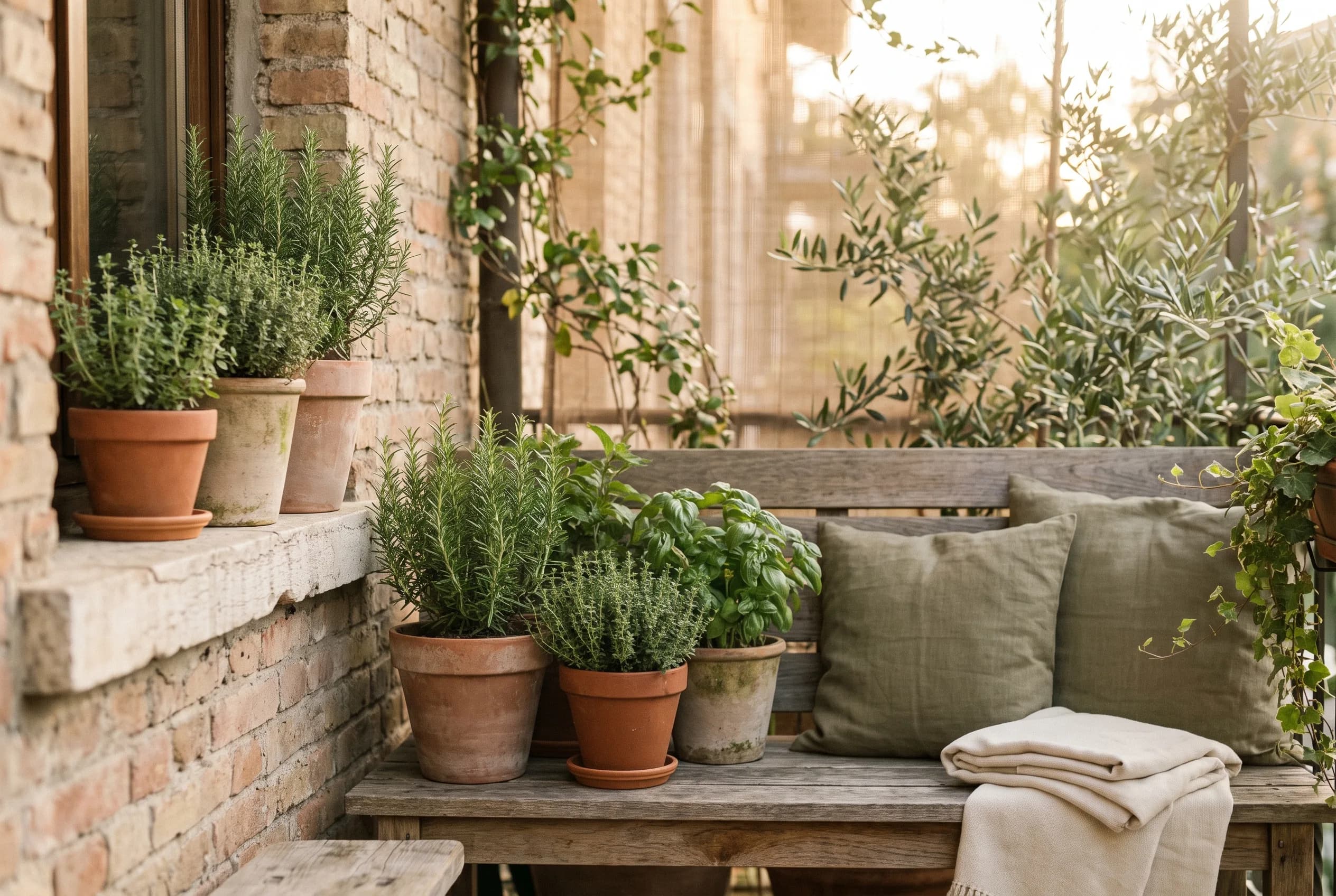
A balcony three metres long can grow a surprising amount of food and still be a place you want to sit. The constraint is rarely space — it is water, weight and light, in that order. Getting those three right at the start saves rebuilding the whole thing in August.
Start with the light, not the plants
Spend a weekend noticing where the sun actually falls. Most people overestimate how much they get: a south-facing balcony with a solid balustrade and a neighbouring building can drop to four usable hours in midsummer.
Four to six hours is enough for herbs, salad leaves, chard and bush beans. Six or more opens up tomatoes, peppers and aubergines. Under four, stop fighting it and plant mint, parsley, chives and shade-tolerant foliage — they will do better than a sulking tomato ever will.
Water is the thing that kills balcony gardens
Containers dry out far faster than open ground, and a terrace in full sun in July can need watering twice a day. That is fine for a week and unsustainable for a season.
Three things fix it:
- Bigger pots. Volume buffers against drying. A 30 cm pot is roughly four times more forgiving than a 15 cm one.
- A reservoir. Self-watering planters hold water under a false floor and wick it up as the compost dries, which also keeps moisture even rather than swinging between soaked and parched.
- Drip irrigation on a timer. A single line with an adjustable dripper per pot removes the daily decision entirely, and uses far less water than a hose because none of it lands on paving.
Weight, before you load it up
Wet compost is around 700 kg per cubic metre. A row of large planters along a balcony edge adds up quickly, and older balconies were not always designed with that in mind. Keep heavy containers close to the wall where the structure is strongest, and check with the building manager before installing anything substantial.
Build the soil once, then feed it
Container compost is a closed system: whatever the plants take out, you put back or they go without. Start with a good peat-free multipurpose compost mixed about one part in four with garden compost or well-rotted manure for structure.
From then on, feed rather than repot. A liquid feed every two weeks through the growing season is enough for most crops. Top-dress in spring by scraping off the first few centimetres and replacing it with fresh compost.
Grow what you actually eat
The most sustainable garden is the one that gets harvested. Herbs earn their place many times over — a supermarket packet of basil costs more than a plant that produces all summer. Salad leaves cut-and-come-again for months. Tomatoes are worth the trouble if you have the light.
Things that rarely pay off in a container: sweetcorn, maincrop potatoes, pumpkins. They need more root run and more water than a terrace can reasonably give.
Close the loop
A small composter turns kitchen scraps and spent plants back into the compost you top-dress with in spring. Three to six months from peelings to usable compost, in a footprint of about a square metre. It is the single change that makes the whole thing feel less like a supply chain and more like a garden.